Why does my house smell musty even after cleaning
Cleaning removes surface dirt, not the mold colonies and moisture behind your walls. Here is why your VALENCIA home still smells musty and how to fix it.
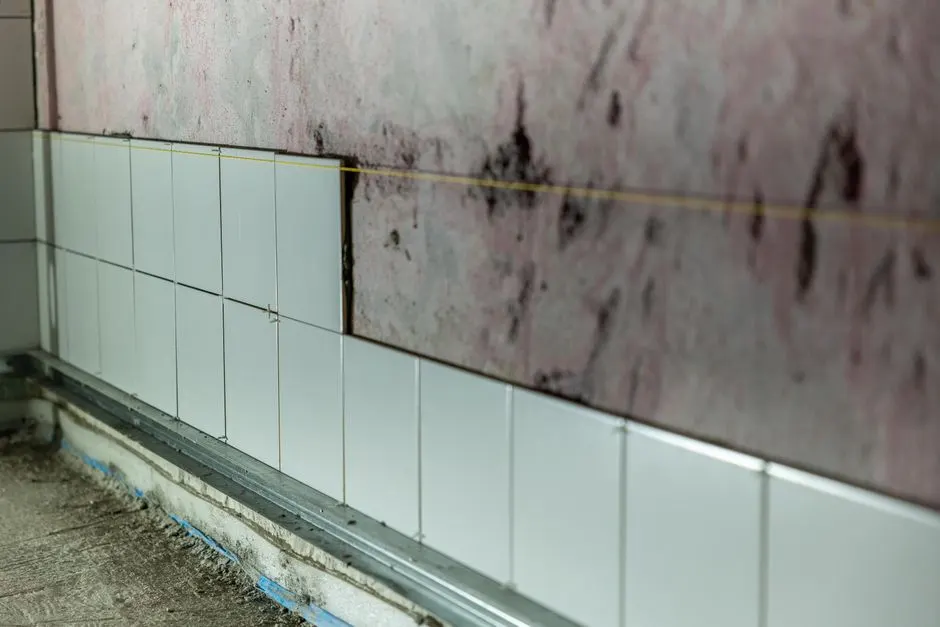
Your house smells musty after cleaning because the odor is not coming from dirt - it is coming from mold colonies growing in a hidden, damp spot that surface cleaning never reaches. Bleach, vinegar, and scented sprays kill what is on the surface, but the mycelium behind the baseboard, under the carpet pad, or inside the HVAC plenum keeps releasing the same musty compounds into your air within hours. This post walks through what actually causes that smell in VALENCIA homes, where the mold hides, and how to remove it at the source.
Your nose is picking up mold VOCs, not dirt
What you smell is a group of chemical compounds called microbial volatile organic compounds, or MVOCs, that mold releases as it digests building materials. The classic musty odor comes from compounds like geosmin and 2-methylisoborneol - the same molecules that make beets taste earthy and give fresh rain its smell. Mold produces them at concentrations as low as 10 parts per trillion, which is why a small colony behind a cabinet can stink up an entire floor.
That is also why cleaning does not fix it. Wiping a wall removes spores sitting on the surface, but the colony's root-like hyphae stay embedded in drywall paper, wood framing, and carpet backing. Within 24 to 48 hours of your cleaning, the colony is releasing MVOCs again at the same rate. If you want to know Mold Remediation Service in this area, the first step is always finding the moisture source that is feeding the colony.
Why does my house still smell musty after cleaning in VALENCIA California?
The musty smell in a VALENCIA house after cleaning almost always traces back to one of four things: an active moisture leak the cleaning did not address, mold growing inside the HVAC system, mold in a concealed cavity like a wall or ceiling void, or porous materials - carpet, drywall, insulation - that absorbed spores and cannot be cleaned back to normal. Cleaning treats the symptom; the moisture source keeps the problem alive.
Here is the diagnostic order we use on every call, and it is the same order you can follow yourself:
- Check the smell's timing. If it is worst when the AC or heater first kicks on, the source is in the air handler or ductwork. If it is worst in the morning or after rain, it is likely a wall or window leak.
- Check the smell's location. A musty odor in bedrooms VALENCIA California homeowners describe as "only upstairs" usually points to an attic or second-floor bathroom issue. A smell that is strongest in the hallway often means a concealed wall cavity.
- Check humidity. Anything above 60% relative humidity indoors for more than 48 hours is enough for mold to colonize. VALENCIA homes routinely sit at 55-65% indoors in summer without a dehumidifier running.
- Check the water bill and the walls. A slow supply-line leak behind a cabinet can run for weeks without showing on the floor. Look for paint bubbling, baseboard swelling, or a faint dark line along the bottom of drywall.
If all four checks come back clean and the smell is still there, you are almost certainly dealing with mold in a concealed space. That is when a mold inspection near me in VALENCIA, California is worth the call - a thermal camera and moisture meter will find the wet cavity in under an hour.
The five places hidden mold hides in VALENCIA homes
Hidden mold musty smell in VALENCIA almost always originates in one of five places, and four of them are invisible from inside the room.
1. Inside the HVAC air handler and ductwork
The evaporator coil sits wet for most of the cooling season. Dust and spores collect on the coil fins, and the dark, humid plenum becomes a mold incubator. Every time the system runs, it distributes MVOCs through every room. If your house smells musty only when the AC is on, this is your source 8 times out of 10.
2. Behind baseboards and inside wall cavities
A slow leak from a supply line, a roof flashing failure, or a window that was caulked poorly during a 2000s-era tract build will wet the drywall paper and the framing behind it. The paint on the room side stays dry to the touch. The cavity stays at 80%+ humidity for months.
3. Under carpet and carpet pad
Carpet pad is a sponge. A single overflow from a toilet, a pet accident, or a slab moisture issue will leave the pad damp for weeks. Surface cleaning the carpet does nothing for the pad underneath.
4. Attics and crawl spaces
VALENCIA's summer attic temperatures hit 140°F, and winter condensation on roof sheathing is common. Both create the wet-dry cycle mold needs. Crawl spaces under older single-story homes in the valley often sit at 70-80% relative humidity year-round. If you have never had the attic or crawl space inspected, that is where we find the colony on roughly a third of our calls.
5. Bathroom and kitchen concealed spaces
The wall behind a shower valve, the cabinet under a kitchen sink, and the space behind a dishwasher are the three most common residential mold sites we see. A bathroom mold removal service in VALENCIA, California is usually the right fix when the smell is concentrated in one bathroom and the grout lines keep darkening no matter how often you scrub them.
How to find the source of a musty smell in VALENCIA CA
Finding the source of a musty smell is a process of elimination, and you can do most of it in an afternoon with a $30 hygrometer and your nose. Start by closing off rooms one at a time and letting each sit for two hours with the door shut. The room that smells strongest when you open the door is your primary zone.
Then work through these steps:
- Sniff the supply registers. Hold your face 6 inches from each vent when the system first starts. A sharp musty hit means the coil or duct liner is contaminated.
- Pull back the carpet corner in the worst room. If the tack strip or pad smells stronger than the carpet face, the pad is the reservoir.
- Check under every sink with a flashlight. Look for dark staining on the cabinet floor, swollen particle board, or a faint water line on the back panel.
- Look at the ceiling below any upstairs bathroom. A faint brown ring is a slow drain leak that has been feeding mold for weeks.
- Use a moisture meter on suspect walls. Anything reading above 16% wood moisture equivalent (WME) is wet enough to support mold.
If you cannot isolate the zone, professional mold testing in VALENCIA, California with air sampling will tell you whether the spores are coming from the HVAC, a wall cavity, or the crawl space - usually within 24 to 48 hours of sample collection.
Why VALENCIA's climate and construction make this worse
VALENCIA sits in a transitional climate zone - hot, dry summers and cool, damp winters - and that swing is exactly what mold needs. Summer indoor humidity climbs because the AC runs constantly and pulls moisture out of the air, but the coil stays wet. Winter brings morning condensation on north-facing walls and single-pane windows in homes built before 1990.
Construction matters too. The tract homes built across Valencia, Stevenson Ranch, and Saugus in the 1980s and 1990s used paper-faced drywall, which mold colonizes faster than the fiberglass-faced board used today. Many of those homes also have HVAC systems that were sized for the original square footage and now run short cycles after a remodel - short cycles mean the coil never fully dries between runs.
We see the same pattern in condos and townhomes near the Town Center and Bridgeport: shared walls, shared HVAC chases, and a neighbor's slow leak that shows up as your musty smell. If you are in one of those buildings and the smell is worst in a bedroom that shares a wall with a bathroom, that shared chase is the first place to look.
Common mistakes that keep the smell coming back
The reason musty smell removal tips fail is almost always that they treat the air instead of the source. These are the mistakes we see most often when we arrive at a home that has been "cleaned" three or four times.
- Bleach on porous surfaces. Bleach kills mold on tile and glass. On drywall, wood, and carpet, it kills the surface growth, evaporates, and leaves the colony's hyphae alive inside the material. The smell returns in 3 to 7 days.
- Running a scented candle or ozone generator. Both mask the odor. Ozone at high concentrations can also damage rubber seals in your HVAC system and does nothing to the colony.
- Painting over the stain. Standard latex paint is mold food. The colony eats through it in weeks. You need a moisture source fix first, then an encapsulant.
- Cleaning the visible mold but not the HVAC. If the coil is contaminated, every cleaning you do in the living space is undone the next time the system runs.
- Assuming a dehumidifier fixes it. A portable dehumidifier helps, but it cannot dry a sealed wall cavity or a carpet pad. It manages the symptom.
- Ignoring the water bill. A toilet flapper leak or a slab leak can add 200 gallons a day to the moisture load. Fix the water first.
If you have already made two or three of these attempts and the smell is still there, the colony is in a concealed space. That is the point where a mold remediation company in VALENCIA, California will save you money compared to another round of DIY products.
When to call a professional
Call a professional when the musty smell returns within a week of cleaning, when you can see discoloration on drywall or ceiling, when anyone in the house has new allergy symptoms that improve when they leave, or when the affected area is larger than 10 square feet. Those are the four thresholds where DIY stops being cost-effective.
Our team at Mold Remediation Service Valencia handles the whole job: we find the moisture source, contain the work area with negative air pressure, remove contaminated materials, treat the framing, and run clearance testing before we call it done. Typical residential jobs in the VALENCIA area run 1 to 3 days depending on how much material has to come out. We give you a flat price before we start, and we do not leave until the post-remediation air sample comes back clean.
Frequently Asked Questions
Why does my house still smell musty after cleaning in VALENCIA California?
Because the mold colony is inside a porous material or a concealed cavity that cleaning cannot reach. Surface cleaning removes spores but leaves the hyphae and the moisture source intact, so the colony resumes releasing musty MVOC compounds within 24 to 48 hours.
Can mold cause musty smell even if I don't see it in VALENCIA CA?
Yes. Roughly 70% of the mold jobs we run in VALENCIA involve colonies hidden behind drywall, under carpet pad, or inside HVAC plenums. Mold does not need light to grow - only moisture and a food source - so it thrives in dark cavities you never see.
How do I find hidden mold causing musty odor in VALENCIA?
Use a hygrometer to check indoor humidity, a moisture meter on suspect walls (anything above 16% WME is wet), and your nose at each HVAC register. If those checks do not isolate the source, thermal imaging and air sampling will find it in under an hour.
Does musty smell always mean mold in VALENCIA California?
No, but it usually does. Geosmin from soil bacteria, damp cellulose insulation, and off-gassing from new carpet can also smell musty. The difference is persistence - a mold smell gets stronger over days and returns within a week of cleaning.
How to remove musty smell from HVAC in VALENCIA CA?
The coil, drain pan, and duct liner have to be cleaned or replaced, not just sprayed. A contaminated evaporator coil typically needs a foaming coil cleaner and a full drain pan flush; if the fiberglass duct liner is moldy, that section of duct has to be cut out and replaced.
Get help with Mold Remediation Service in VALENCIA
If your house still smells musty after cleaning, the source is almost certainly a hidden mold colony that needs to be removed - not masked. We find it, fix the moisture, and verify the air is clean before we leave.
Call Mold Remediation Service Valencia at (833) 929-5837 to schedule an inspection. We serve Valencia, Stevenson Ranch, Saugus, Newhall, and the surrounding Santa Clarita Valley.